Why I started a second studio
I wanted to work in a new form: smaller, closer to the business, and in it for the long run.
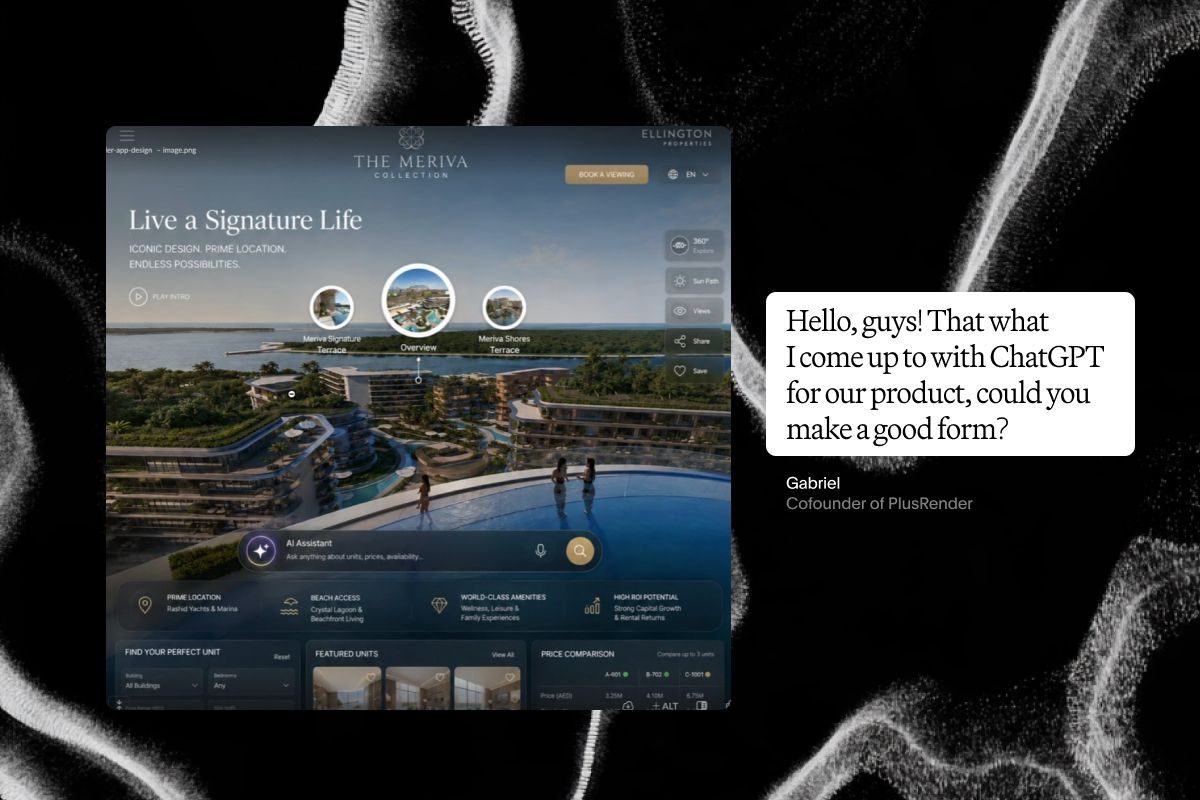
Not long ago, a founder came to us with a clear idea: a platform for selling real estate. To show what he had in mind, he’d generated a rough vision of it in ChatGPT — a site with a rooftop pool, a lagoon and an AI assistant waiting for questions. Underneath was a short message that ended with a question: could we make it good?
That message is a fair picture of where founders are today. Anyone can get from an idea to a convincing image in an evening. Getting from that image to a product people trust, use and pay for is still the hard part. That gap is why Ownform exists.
Built differently this time
My first studio, Figmatica, taught me how to grow a team and ship a lot of work. It also showed me what I’d build differently. So this time the studio rests on a few deliberate choices.
- A small senior team. I lead as creative director, with senior designers, our own developers and a head of delivery, and more engineers when a project needs them.
- We stay after launch. Launch is where the real work starts: new features, tests, improvements. That’s why we prefer to work on a monthly retainer. And when we believe in a product as much as its founder does, we’re open to sharing the risk and the upside through revenue share.
- Closer to the business. We work from business goals, product logic and architecture, not only from how the screens look. That’s where I spend most of my time: on strategy with founders, while the team owns the craft.
Why speed isn’t enough
AI made building far cheaper. More products launch every day than anyone can keep track of. Yet many of them are hard to take seriously: the quality is uneven, and the way they present themselves raises more questions than it answers.
Ideas and options are no longer scarce. What’s scarce is knowing which one deserves to become a product, and then making it good enough to earn a place in people’s lives. That’s the part of the work we care about most.
How we work with AI
- Many directions at once. We explore several ideas in parallel instead of betting early on one, so weak ideas show themselves before anyone builds them.
- Every prototype has a question. Each round answers something specific, so iterating builds understanding instead of noise.
- Test early, keep what holds. The ideas that survive real feedback and real use are the ones we take further.
- Craft is the last mile. AI gets a product most of the way. Taste and detail are what make people trust it, and that part stays human.
What it looks like in practice
That founder was Gabriel, co-founder of PlusRender. His rough vision became a real product: an interactive map of the site, floors and units, towers and amenities, side-by-side comparison, and an admin panel to run it all. Shown as a demo to prospective clients, it has already brought in new contracts.

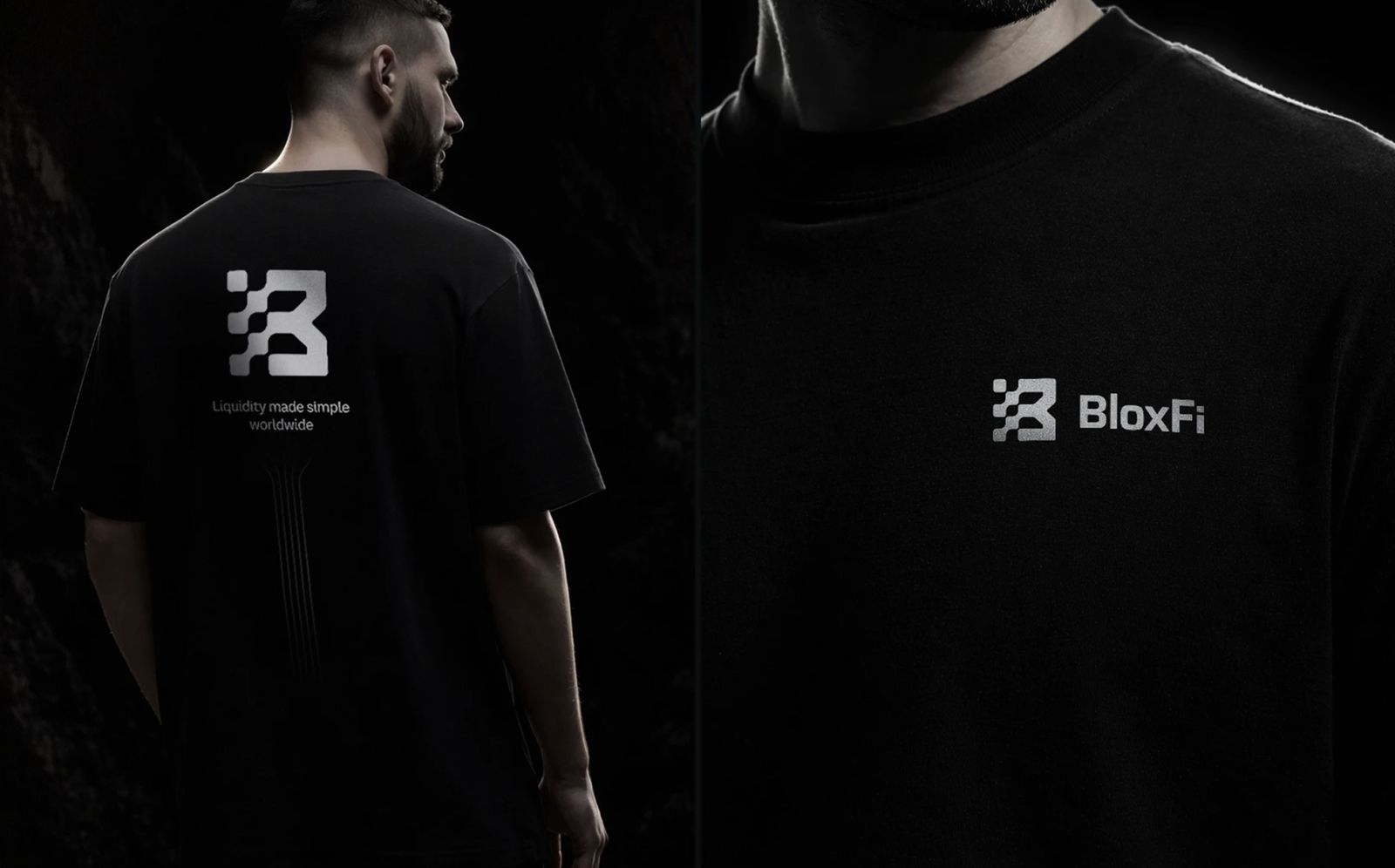
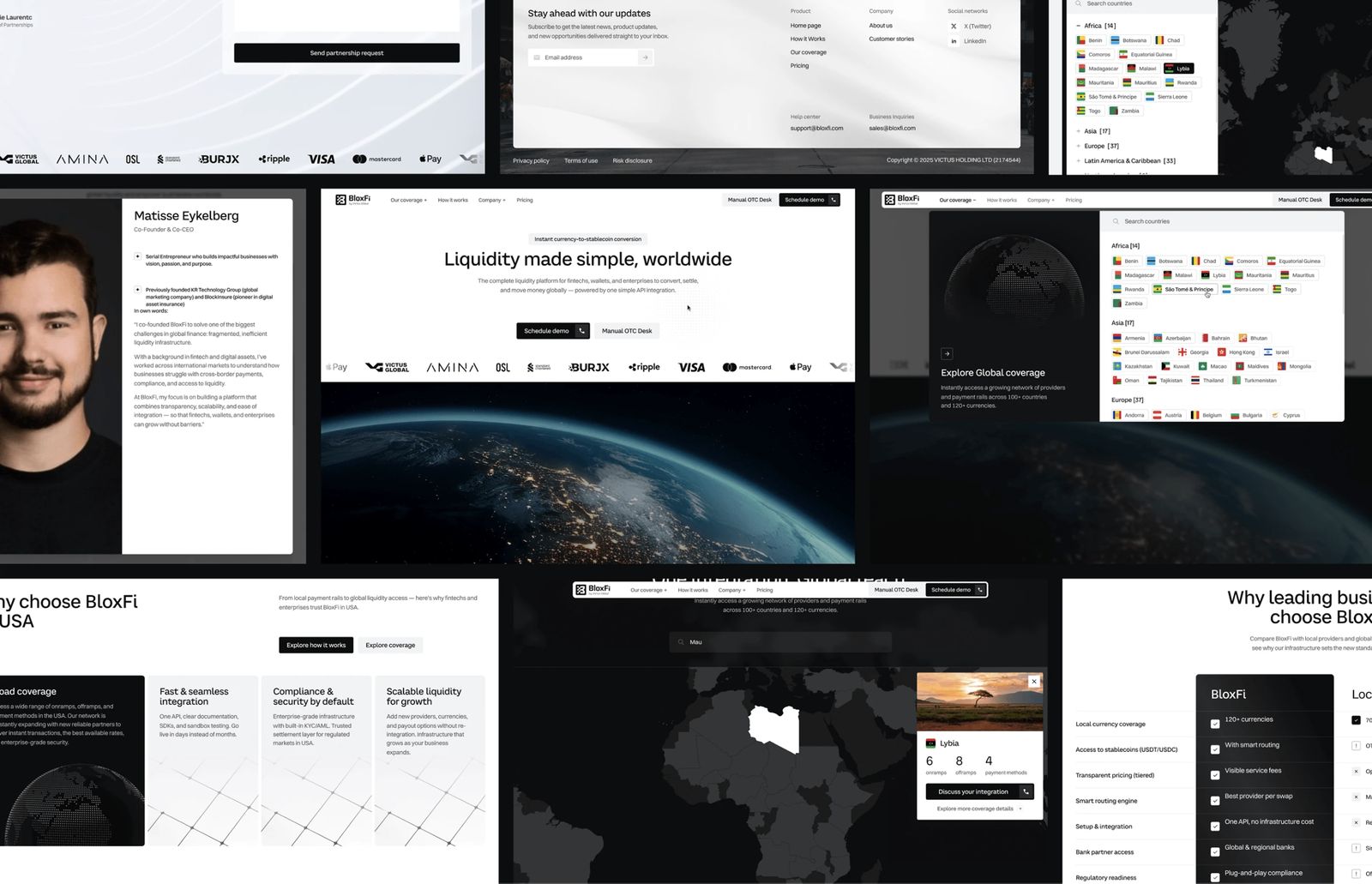
BloxFi needed something else. It was just entering its market and had to look like the company it was about to become. With a brand, visuals, mockups and a carefully built site that collects demo requests, we showed the scale it’s heading for before it got there, and helped the company raise investment.
What we believe
- The same people, start to finish. The people you meet on the first call lead your project to the end.
- Honest, even about our own ideas. If something isn’t working, we’ll say so, including when we suggested it.
- Your business comes first. Every decision is measured by what it does for the product you’re building.
Where we’re going
We’re building a studio where the best designers want to work, so the founders we partner with get the best of them. Long partnerships, products that move their industries forward. Every project we take on now brings us closer.
How we start
- A call to understand what you need and which format fits.
- A detailed roadmap for your idea.
- Interactive prototypes to test the hypotheses that matter most, usually within 7–10 days of the first call.
- Then the work begins, per project or on a monthly retainer.
Could we make it good? It’s the question we hope to hear from every founder we meet. Ownform is our answer.
If you have an idea, or a product that has outgrown its first version, book a consultation call.
Arsen Berezovskyi
Founder and creative director